

 See My Latest Article on HelloNation
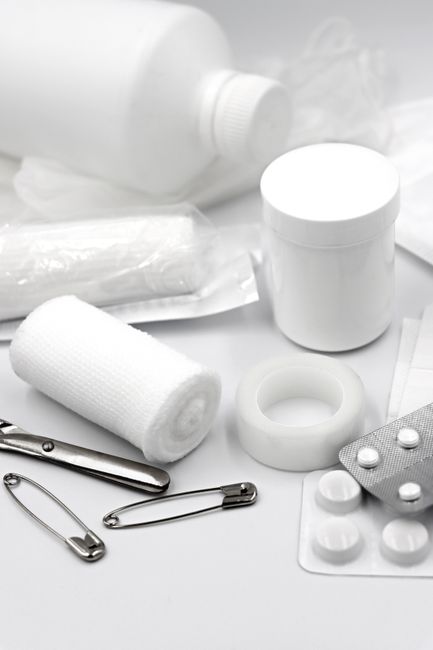
What medical supplies should every home have?
Every household benefits from a basic first-aid kit, a reliable thermometer, essential personal medications, and supplies that support the health needs of the people who live there. The right setup does not need to be expensive or extensive; it should be organized, easy to reach, and tailored to the household.
In Silver City, NM, homes may also need to account for dry conditions, outdoor activities, longer travel distances, seasonal storms, and occasional power interruptions. A practical home supply area can help manage minor injuries and support daily care until routine medical services are available.
What belongs in a basic first-aid kit?
A first-aid kit should handle common problems such as small cuts, scrapes, minor burns, splinters, sprains, and insect bites. Store supplies in a clean, waterproof container that adults can reach quickly but young children cannot open unsupervised.
Useful contents include:
- Adhesive bandages in several sizes
- Sterile gauze pads and rolled gauze
- Medical tape
- Nonlatex disposable gloves
- Antiseptic wipes or wound-cleaning supplies
- Tweezers for splinters
- Small scissors
- Instant cold packs
- A digital thermometer
- Triangular or elastic bandages
- A breathing barrier for CPR
- Saline solution for rinsing eyes or wounds
- A basic first-aid instruction guide
Antibiotic ointment, hydrocortisone cream, and over-the-counter pain or allergy medicines may be appropriate for some households. These products should be used according to their labels, and medications should be kept in their original containers.
A first-aid kit is not intended to treat severe bleeding, deep wounds, serious burns, breathing emergencies, poisoning, or suspected broken bones. Those situations require emergency medical attention.
Why is a digital thermometer a household essential?
A thermometer provides more useful information than guessing whether someone has a fever by touch. A digital oral, ear, or forehead thermometer can help track changes in temperature and communicate clearer information to a nurse or medical provider.
Choose a thermometer that is easy to read and has a replaceable battery if possible. Keep the instructions nearby, since readings can vary depending on the measurement method. For young children, use the type recommended for their age and follow the directions carefully.
Clean the thermometer according to the manufacturer’s instructions. If several people in the home use the same device, cleaning between uses helps reduce the spread of illness.
Which supplies support chronic conditions?
Households should maintain a separate supply area for equipment and consumables used regularly for ongoing health conditions. These items should not be mixed loosely into a general first-aid box.
Depending on individual needs, this may include:
- Blood glucose meters, test strips, lancets, and batteries
- Inhalers and spacer devices
- Epinephrine auto-injectors
- Nebulizer equipment
- Catheters, syringes, or wound-care supplies
- Hearing-aid batteries
- Eyeglasses and contact-lens supplies
- Mobility aids and replacement tips
- Medical nutrition products
- Extra supplies for ostomy or respiratory care
Keep an updated medication and medical-equipment list with the supplies. The list should include medication names, doses, timing, allergies, prescribing instructions, and emergency contacts. A printed copy is useful if internet or phone access is unavailable.
Prescription medicines should be managed according to the prescribing instructions. Households that depend on refrigerated medication or powered medical equipment should also plan for power outages with approved backup arrangements.
Should every home have a blood pressure monitor or pulse oximeter?
Not every household needs every monitoring device. A blood pressure monitor is most useful when a health professional has recommended home readings or when a household member is managing a condition that requires regular monitoring.
For home use, an automatic upper-arm monitor is generally easier for most people to operate than a manual device. The cuff must fit correctly; an incorrect size can produce misleading results. Sit quietly for several minutes before measuring, keep the arm supported, and record readings consistently.
A pulse oximeter may be useful for someone with a diagnosed lung or heart condition if a medical provider has explained how to use it. It should not be treated as a stand-alone test of health. Cold fingers, movement, poor circulation, nail coverings, and device limitations can affect readings. Breathing difficulty, bluish lips, confusion, chest pain, or severe weakness should be treated as urgent symptoms regardless of the number shown on a device.
These devices help monitor health; they do not diagnose every problem or replace medical advice.
What supplies are easy to overlook?
Some of the most useful items are not traditionally labeled as medical supplies. Keep spare batteries for thermometers, glucose meters, hearing aids, flashlights, and other essential equipment. A battery-powered lantern can make it safer to provide care during an outage.
Other useful items include:
- Hand sanitizer and soap
- Disposable face masks for illness-related situations
- Absorbent towels and disposable bags
- Skin-safe barrier cream
- Lip balm and fragrance-free moisturizer
- Oral rehydration products when appropriate
- A waterproof notebook and pen
- Copies of identification, insurance information, and medication lists
- Pet medications and basic animal-care supplies
Dry air and sun exposure can contribute to cracked skin, irritation, and dehydration, especially during outdoor work or recreation. Sunscreen, protective clothing, drinking water, and skin moisturizer may therefore be practical additions for area households.
How should medical supplies be stored?
Store supplies in a cool, dry location away from direct sunlight, moisture, and household chemicals. Avoid leaving medications or temperature-sensitive equipment in a hot vehicle, garage, or uninsulated storage area.
A good storage system has three parts:
1. Daily-use supplies: Items such as medications, glucose equipment, or inhalers should be easy to reach.
2. First-aid supplies: Keep bandages, gauze, gloves, and wound-care items together.
3. Emergency backup supplies: Store extra batteries, essential medications, medical documents, and equipment in a portable container.
Label containers clearly, especially if more than one person uses the home. Make sure every adult knows where supplies are located.
How often should a home medical supply kit be checked?
Review the kit at least twice a year and after any illness, injury, trip, or emergency. Replace opened, damaged, contaminated, or expired items. Test battery-powered equipment and discard supplies with broken packaging.
Check that children’s medications still match their ages and weights, that prescriptions are not running low, and that emergency contact information is current. Items for infants, older adults, people with disabilities, and pets may need more frequent review.
The goal is not to stock every possible item. It is to maintain a dependable set of supplies that matches the household, remains usable in local conditions, and can be found quickly when someone needs help.