

 See My Latest Article on HelloNation
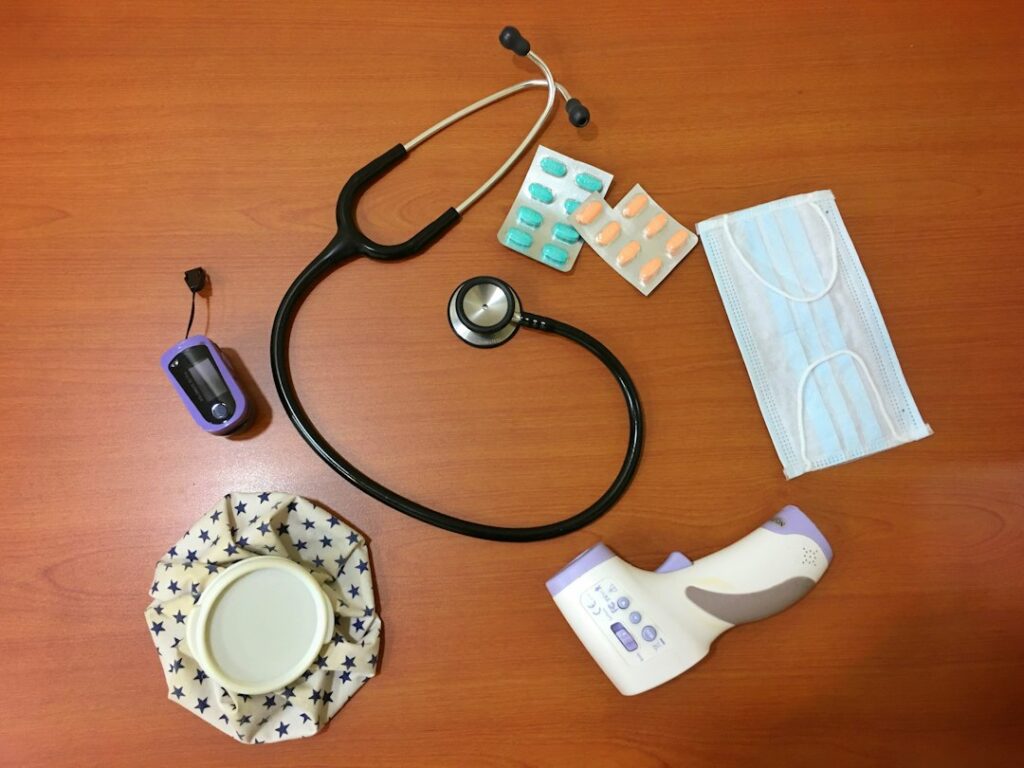
Home medical supplies should support a person’s health, safety, and independence without creating unnecessary complications. The right choice depends not only on the medical condition involved, but also on the user’s strength, mobility, living space, power supply, caregiver support, and ability to understand and maintain the equipment.
What counts as a home medical supply?
Home medical supplies include both disposable products and reusable equipment used outside a clinical setting. Examples include:
- Blood glucose monitors, test strips, lancets, and sharps containers
- Incontinence supplies and skin-protection products
- Canes, walkers, crutches, wheelchairs, and transfer aids
- Bathroom safety equipment, such as shower chairs and raised toilet seats
- Oxygen equipment and respiratory supplies
- Wound-care materials, dressings, and compression products
- Blood pressure monitors and other home monitoring devices
- Hospital beds, mattress supports, and positioning equipment
- Continuous positive airway pressure equipment for sleep-related breathing problems
Some products are available without a prescription, while others require medical evaluation, a written order, training, or insurance approval. A product that appears simple may still be inappropriate if it is the wrong size, used incorrectly, or selected without considering the person’s health needs.
How should the medical need be defined first?
Start with the task the supply must support rather than with a product name. Ask what is difficult, unsafe, or medically necessary at home.
For example, a person who feels unsteady may need help with transfers, walking, bathing, or all three. A cane may be suitable for limited support, while a walker or wheelchair may be more appropriate for longer distances. A person recovering from surgery may need equipment temporarily, whereas someone with a progressive condition may need a durable solution that can adapt over time.
Useful questions include:
- What activity is the person trying to perform?
- Is the need temporary, recurring, or long term?
- Does the equipment prevent a known risk, such as falls or skin injury?
- Can the user operate it independently?
- Will a caregiver need to assist with setup, cleaning, or transportation?
- Are there symptoms that require medical evaluation rather than a supply?
A home device should not be used to delay care for new chest pain, severe shortness of breath, sudden weakness, confusion, uncontrolled bleeding, or other urgent symptoms.
What should be checked for fit and physical safety?
Fit is more than comfort. Poorly sized equipment can cause falls, pressure injuries, pain, or ineffective treatment.
Walking aids should generally be adjusted to the user’s height and reviewed for stable tips, secure handgrips, and proper use on the surfaces found at home. A wheelchair must fit through doorways, allow safe transfers, and provide adequate support for the person’s posture and body size. A shower chair should sit level and remain stable on a wet floor.
For skin-care and incontinence products, consider absorbency, material sensitivity, correct sizing, and how often the product must be changed. A product that traps moisture or rubs against the skin can contribute to irritation and breakdown.
For blood pressure or glucose monitoring, the cuff, test strips, lancets, and other components must match the device and be used according to the instructions. Readings that seem unusual should not automatically be dismissed as equipment failure; they may require discussion with a health care professional.
Does the home itself work with the equipment?
A device can be medically appropriate but unsuitable for a particular house. Before bringing it home, look at:
- Doorway widths and hallway clearance
- Steps, thresholds, loose rugs, and uneven flooring
- Bathroom layout and available grab points
- Bed height and space beside the bed
- Electrical outlets and extension-cord hazards
- Lighting at night
- Storage space for supplies and backup materials
- Access to clean water when cleaning is required

This is especially relevant for homes with compact rooms, older construction, multiple levels, or outdoor areas that may have uneven ground. In Silver City, changing weather, dust, dry conditions, and occasional power interruptions may also affect storage, cleaning, mobility, and electrically powered equipment.
Do not assume that an extension cord, power strip, generator, or battery is safe for medical equipment. The device instructions should specify electrical requirements and any approved backup method.
What questions should be asked before selecting a device?
Instructions and support are part of the product’s safety. Before choosing equipment, find out:
- Who will explain setup and daily use?
- What cleaning products and methods are allowed?
- Which parts need regular replacement?
- What do alarms, error messages, or warning lights mean?
- How long will batteries or backup supplies last?
- What should happen if the device stops working?
- Is the item rented, purchased, or subject to return restrictions?
- What documentation is needed for insurance coverage?
- Can the user or caregiver physically manage the equipment?
The user should be able to demonstrate the basic steps, not merely say that the instructions were understood. Written directions should remain near the device, especially if more than one caregiver may provide assistance.
How do insurance and prescriptions affect the choice?
Coverage rules vary by insurance plan and by equipment category. Medicare may cover certain durable medical equipment when it is medically necessary, used in the home, and ordered through the required process. Coverage may involve deductibles, coinsurance, rental arrangements, approved suppliers, or limits on replacement.
A product being sold in a medical-supply section does not guarantee insurance coverage. Before purchasing an expensive item, verify whether a prescription, medical documentation, prior authorization, or a specific supplier arrangement is required. Keep receipts, orders, delivery records, and maintenance information.
For lower-cost items, price should still be weighed against durability, replacement availability, cleaning needs, and return policies. The least expensive option may cost more if it breaks quickly or cannot be adjusted properly.
What safety issues are commonly overlooked?
Many home medical problems result from ordinary household conditions rather than from a device defect. Common oversights include blocked walkways, tubing across floors, wet bathroom surfaces, overloaded outlets, incorrect cleaning, expired supplies, and missing backup materials.
Oxygen equipment requires special care because oxygen supports combustion. Keep oxygen away from smoking, open flames, sparks, heat sources, and flammable materials. Follow the prescribed flow rate and never change treatment settings without appropriate medical direction.
Disposable supplies should be stored in a clean, dry area away from excessive heat, moisture, pets, and children. Needles and lancets belong in a proper sharps container rather than loose household trash. Used dressings, tubing, or other materials may require specific disposal instructions.
When is professional guidance necessary?
Professional guidance is warranted when equipment affects breathing, medication delivery, blood circulation, wound treatment, transfers, or weight-bearing. It is also necessary when the person has limited strength, impaired vision, memory problems, or difficulty following multi-step instructions.
A licensed health care professional can help determine whether the device matches the medical need and whether the user can operate it safely. Equipment should be reassessed after a fall, hospitalization, major change in mobility, worsening symptoms, or a change in caregiver support.
The best home medical supply is not necessarily the most advanced or expensive item. It is the one that meets the actual need, fits the person and the home, can be maintained correctly, and remains safe during ordinary daily use.