
 See My Latest Article on HelloNation
A home can often be adapted for safer, more comfortable living without making every room look institutional. For residents of Silver City, NM, the most useful changes usually address fall hazards, uneven surfaces, bathroom safety, mobility between rooms, and the practical realities of dry weather, older housing, and limited space.
A good accessibility plan starts with the person’s daily routines. Consider where support is needed in the morning, which rooms are used most often, and what tasks have become tiring, painful, or difficult. Changes can then be made in stages rather than all at once.
What should be assessed first?
Begin with the main paths through the home, especially the route from the bedroom to the bathroom, kitchen, living area, and entryway. The goal is to make routine movement predictable, well lit, and free of obstacles.
Look for:
- Loose rugs, curled mats, and slippery flooring
- Electrical cords crossing walkways
- Narrow areas crowded by furniture
- Clutter near stairs, doorways, or frequently used chairs
- Poor lighting at entrances and along hallways
- Thresholds that are difficult to see or step over
- Frequently used items stored too high or too low
A simple walk-through at different times of day can reveal problems that are easy to miss. Bright afternoon light may hide shadows, while early morning or evening conditions may make a hallway difficult to navigate.
How can falls be prevented?
Fall prevention depends on more than removing throw rugs. Stable footwear, adequate lighting, and clear walking routes all matter. A sturdy chair with armrests can provide a safer place to sit while dressing or putting on shoes.
Use lighting that reduces glare and creates even illumination. Nightlights can help with bathroom trips, but they should not produce sharp shadows or create cords across the floor. Motion-activated lights may be useful in hallways, closets, and entry areas.
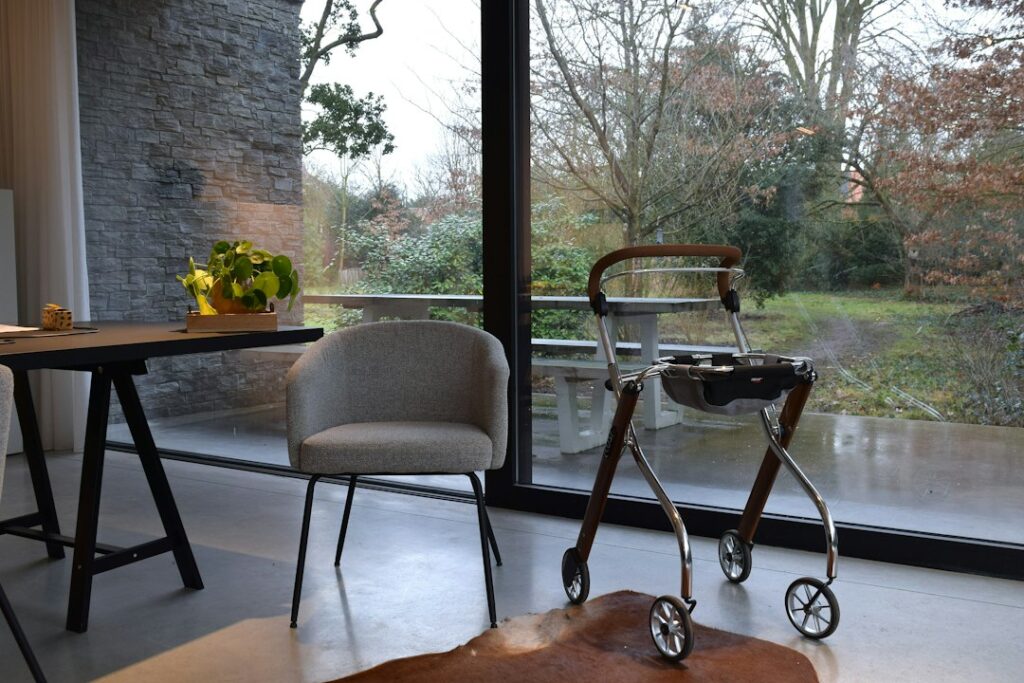
Furniture should be arranged to leave enough room for a cane, walker, or another mobility aid. A person using a walker should not have to turn sharply around a coffee table or squeeze between a chair and a wall.
Outdoor areas also deserve attention. Dry conditions can leave soil, gravel, or hard-packed surfaces uneven. Walkways should be checked after wind, weather changes, or maintenance work. Handrails are helpful wherever a path includes steps, even when there are only one or two.
Which bathroom changes provide the most benefit?
Bathrooms are among the most important rooms to adapt because water, smooth surfaces, and limited space increase the chance of a serious fall. Grab bars that are securely mounted to appropriate structural support are more dependable than towel bars or suction-mounted accessories.
Useful changes may include:
- A handheld showerhead that can be reached from a seated position
- A stable, appropriately sized shower chair or bath bench
- A raised toilet seat when standing from a low toilet is difficult
- A nonslip surface inside and outside the bathing area
- Lever-style faucet handles that are easier to operate
- A toilet paper holder and toiletries placed within easy reach
- A contrasting color or high-visibility edge where surfaces are hard to distinguish
A bath mat should lie flat and have a secure backing. A loose mat can create the hazard it is meant to prevent. Shower chairs should sit level, remain stable when weight shifts, and fit without blocking the bathroom door or other necessary movement.
Water temperature controls are also worth reviewing. Reduced sensation, medication effects, or slower reaction time can increase the risk of burns. Water heaters and temperature settings should be maintained at a safe level, particularly when children or caregivers also use the home.
How should bedrooms and living areas be arranged?
The bedroom should support safe transfers and nighttime movement. A bed that is too low may make standing difficult, while one that is too high can make it harder to sit down safely. The right height depends on the person’s leg strength, balance, and mobility equipment.
Keep a lamp, telephone, water, and needed medications within easy reach. A clear route from the bed to the bathroom is especially valuable. If a walker or wheelchair is used, there should be enough room to approach the bed and turn without striking furniture.
In living areas, choose chairs with firm cushions and armrests. Very soft, low furniture can be difficult to rise from. A small side table can keep frequently used items close, reducing the need to bend, stretch, or walk across the room repeatedly.
Avoid using rolling furniture as a substitute for a stable support surface. A lightweight table or wheeled chair may move unexpectedly when someone leans on it.
What can make the kitchen easier and safer?
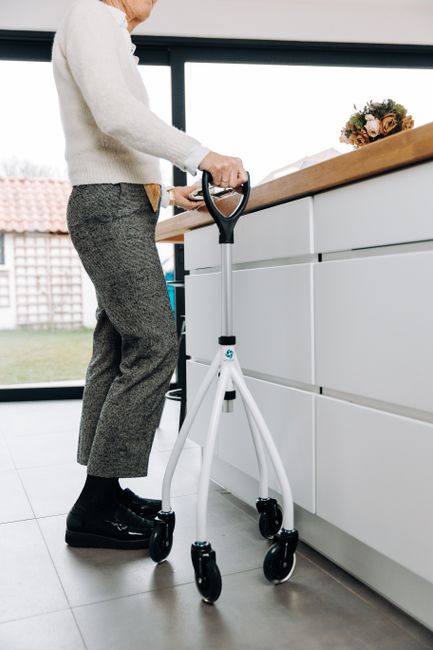
Kitchen adaptations should reduce reaching, bending, and carrying hot or heavy items. Store everyday dishes, food, and cooking tools between shoulder and knee height whenever possible.
Helpful adjustments include:
- Pull-out shelves or easy-to-reach storage
- Lightweight cookware with secure handles
- A stable work surface for meal preparation
- Frequently used appliances placed where cords will not cross walkways
- A chair or stool for tasks that do not require standing
- Good lighting over counters, the sink, and the stove
- Clearly labeled controls if appliance markings are difficult to read
Carrying hot liquids while using a cane or walker is risky. A rolling cart may help in some homes, but it should be stable, easy to control, and used only on level surfaces. Smaller containers can also reduce spills and strain.
How do mobility aids fit into an accessible home?
Mobility aids work best when the home is arranged around them. A walker needs clear turning space, and a wheelchair may require wider routes than a person walking independently.
Do not place furniture so close to a doorway that the user must back up or twist sharply. Measure tight spaces before choosing equipment. A device that fits in one room may be difficult to use safely in another.
Canes, walkers, transfer benches, and other supplies should be maintained according to their instructions. Check rubber tips, wheels, handgrips, brakes, and seat surfaces regularly. Worn tips or loose hardware can affect stability.
A mobility aid should match the user’s abilities and environment. For example, a device appropriate for indoor floors may not be suitable for loose gravel, uneven ground, or outdoor slopes.
What changes help during hot, dry, or dusty conditions?
The local climate can affect both comfort and safety. Heat and dry air may contribute to dehydration, fatigue, dizziness, or reduced concentration. Keep water within reach and plan demanding activities for cooler parts of the day when possible.
Dust and grit can collect near doors and on floors, making smooth surfaces less predictable. Entry mats should be flat, stable, and kept clean. Mobility equipment used outdoors should be checked for debris that could affect wheels, brakes, or rubber tips.
During seasonal weather changes, inspect exterior steps, handrails, porch surfaces, and paths to frequently used entrances. Homes with older construction may also have uneven transitions between rooms, narrow doorways, or flooring that has shifted over time.
When is specialized help necessary?
Some modifications are simple, but structural changes and certain equipment decisions require careful evaluation. Professional assistance is appropriate when a doorway must be widened, a ramp is needed, electrical work is involved, or a grab bar cannot be securely mounted without opening or reinforcing a wall.
Medical conditions also matter. A person with weakness on one side, repeated falls, vision loss, memory changes, or difficulty transferring should have the home assessed in relation to those specific needs. A general checklist cannot replace individualized guidance.
The most effective accessibility improvements are usually the ones that support real routines: a clear path to the bathroom, a stable place to sit, reachable supplies, dependable lighting, and equipment that fits both the person and the home.